
Family & Community
Engagement HUB

Metacognition
Knowledge Hub

Podcast

Expanding the Science of Reading
The Science of Reading refers to a much-discussed body of research around how students learn to read. But what could be missing from the conversation? Dr. Peter Afflerbach discusses broadening our view of the science available to inform the instruction of developing readers—from phonics and phonemic awareness to metacognition, motivation, and self-efficacy.
Learn MoreBlogs

Teaching Metacognitive Strategies in the Classroom
Learn More
The Sciences of Reading and Teaching Readers
Learn MoreWebinars
.png)
The Sciences of Reading
Metacognition, Motivation & Engagement, and Self-Efficacy
Presented by Peter Afflerbach, Ph.D.
Learn More.png)
Metacognition in Action
Classroom Environments and Practices That Promote Self-Regulation and Comprehension of Complex Text
Presented by Peter Afflerbach, Ph.D.
Learn MoreWhitepaper

The Essential Role of Metacognition in the Sciences of Reading
How Metacognition, Motivation, and Engagement Make a Critical Difference
Q&A with Peter Afflerbach, Ph.D.
Learn MoreProduct
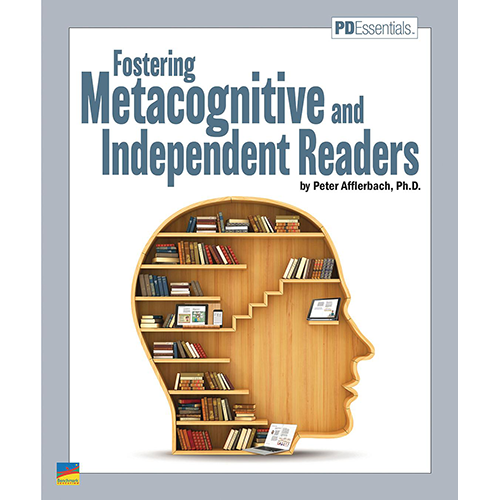
Fostering Metacognitive and Independent Readers Professional Development Book
Presented by Peter Afflerbach, Ph.D.
Learn More
Preview a Sample Chapter
Fostering Metacognitive and Independent Readers
Read Peter Afflerbach’s introduction and an excerpt from Chapter One to see why metacognition is so important to teach and how you’ll use this book.
Learn More